


If you're searching for “what is resume”, you're likely preparing to apply for jobs and want to make sure your application stands out. A resume is more than a simple list of your work history — it's a strategic marketing document designed to present your skills, accomplishments, and professional value clearly and persuasively.
Understanding what a resume is, how it works, and what it must include is essential in today's competitive job market. In this article, we’ll break down the meaning of a resume, define every important section, explain what employers look for, and show how AI tools like an AI resume builder can simplify the entire process.
Part 1. What Is Resume? A Clear Definition
A resume is a formal document that summarizes your professional experience, skills, education, and achievements. Job seekers use resumes to showcase their qualifications to employers and recruiters. When someone asks, “what is resume”, the simplest answer is:
A resume is a professional snapshot that highlights what makes you a strong candidate for a job.Its purpose is to convince the employer that you're worth interviewing.
Resumes are usually one page long for early-career professionals and two pages for more experienced individuals. The structure, clarity, and relevance of the content matter more than the length itself.
Part 2. Why Understanding “What Is Resume” Matters
Many people misunderstand what a resume actually is — they treat it as a plain work-history document. But a resume is strategic. It must:
- Capture attention within seconds
- Pass ATS (Applicant Tracking Systems)
- Align with the job description
- Emphasize achievements, not just tasks
- Show meaning, not just chronology
Understanding what is resume helps job seekers write with intention rather than simply listing information.
Part 3. What Should a Resume Include? Essential Sections Explained
Once you understand what is resume, the next question is: what should a resume include?
A strong resume typically contains the following key sections.
1. Header & Contact Information
The header appears at the top and includes:
- Full name
- Phone number
- Email address
- Location (city & state)
Optional: LinkedIn profile, portfolio link
This section establishes your identity and provides easy ways for recruiters to contact you.
2. Professional Summary (or Objective)
Many people researching “what is resume” overlook the importance of a strong summary.
A professional summary is a 2–3 sentence overview that highlights:
- Your experience level
- Your key skills
- Your professional strengths
- Your career goals
Example:
“Detail-oriented marketing analyst with 3+ years of experience in campaign optimization, data reporting, and content strategy. Skilled in SEO, analytics, and cross-platform advertising. Seeking to apply data-driven expertise to support digital growth.”
3. Work Experience
This is the most important section for most job seekers. It includes:
- Job title
- Company name
- Dates of employment
- Bullet points describing achievements and responsibilities
To optimize this part, avoid simply listing tasks. Instead, focus on:
- Measurable results
- Achievements
- Impact
- Skills used
Understanding what is resume includes recognizing that employers scan for achievement-driven bullet points, not generic duties.
4. Education
List the highest level of education completed:
- Degree
- School name
- Graduation year
Optional: GPA, honors, certifications
If you're early in your career, this section may appear above your experience.
5. Skills Section
A resume should include both hard and soft skills that match the job description.
Hard skills examples:
- Python
- Data analysis
- Digital marketing
- Project management
Soft skills examples:
- Teamwork
- Communication
- Leadership
- Problem-solving
Understanding what is resume includes knowing that this section helps both ATS systems and recruiters quickly identify your strengths.
6. Additional Sections
Depending on your background, you may add:
- Certifications
- Languages
- Volunteer work
- Awards
- Projects
- Publications
These optional sections can strengthen your resume, especially for roles requiring specialized expertise.
Part 4. Conclusion
Understanding what is resume is the foundation of creating a strong application. A resume is:
- A strategic marketing document
- A summary of your professional value
- A tool to showcase skills and accomplishments
- Your first impression to employers
Knowing what a resume should include, how to write it, and how to optimize it gives you a clear advantage in the job market. But if writing a resume still feels overwhelming, tools like MakeTheResume, a powerful AI resume builder, can help you create a polished, professional, and ATS-friendly resume in minutes.







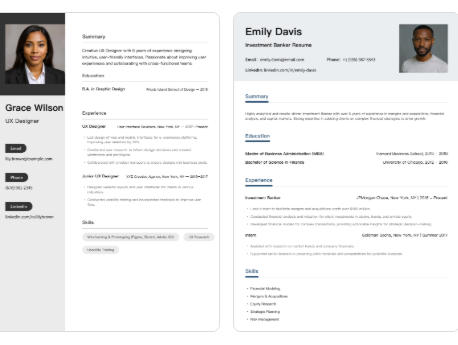
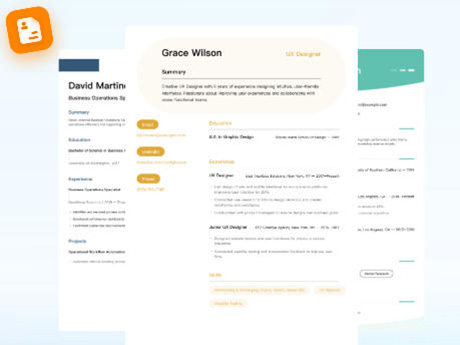
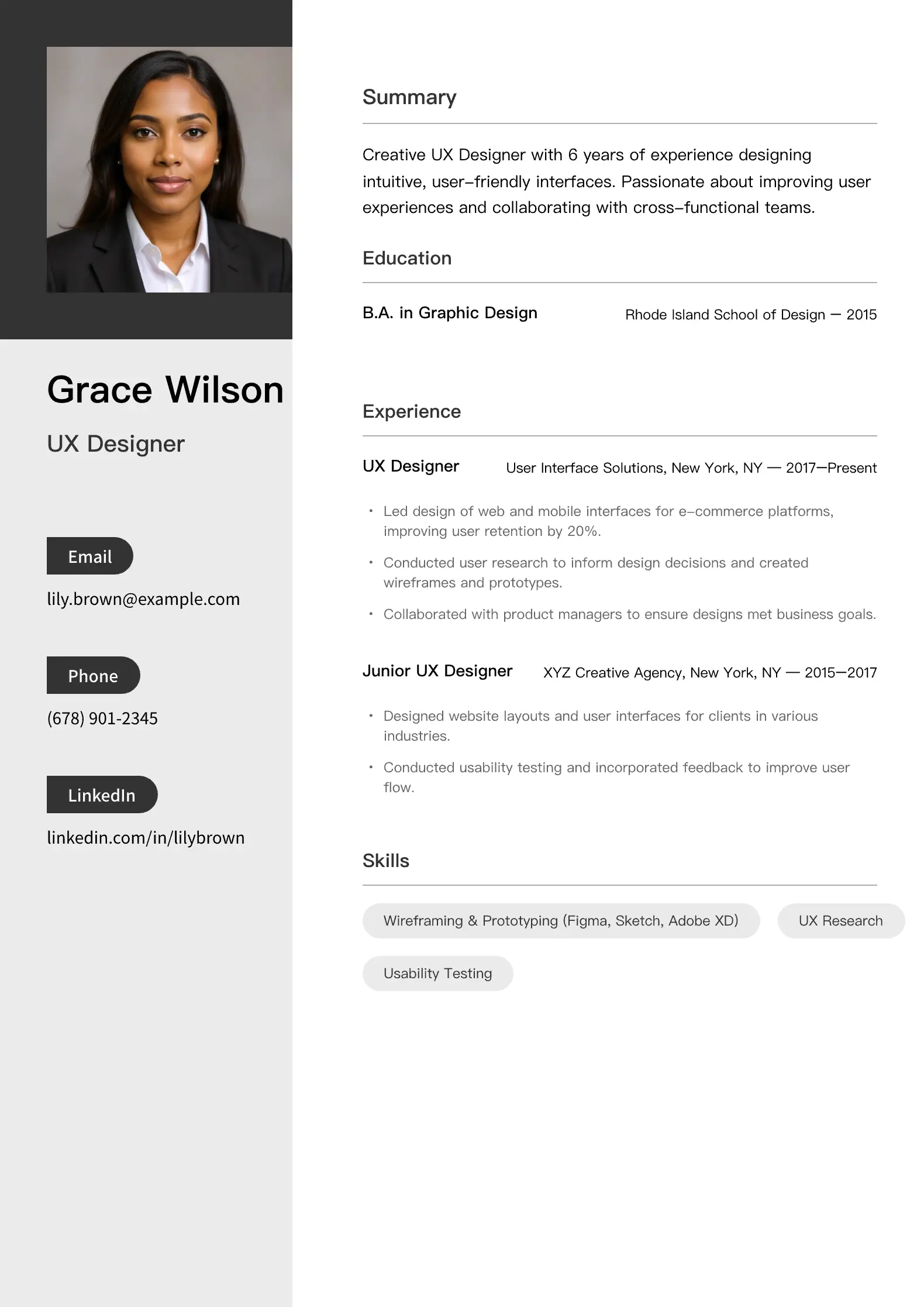
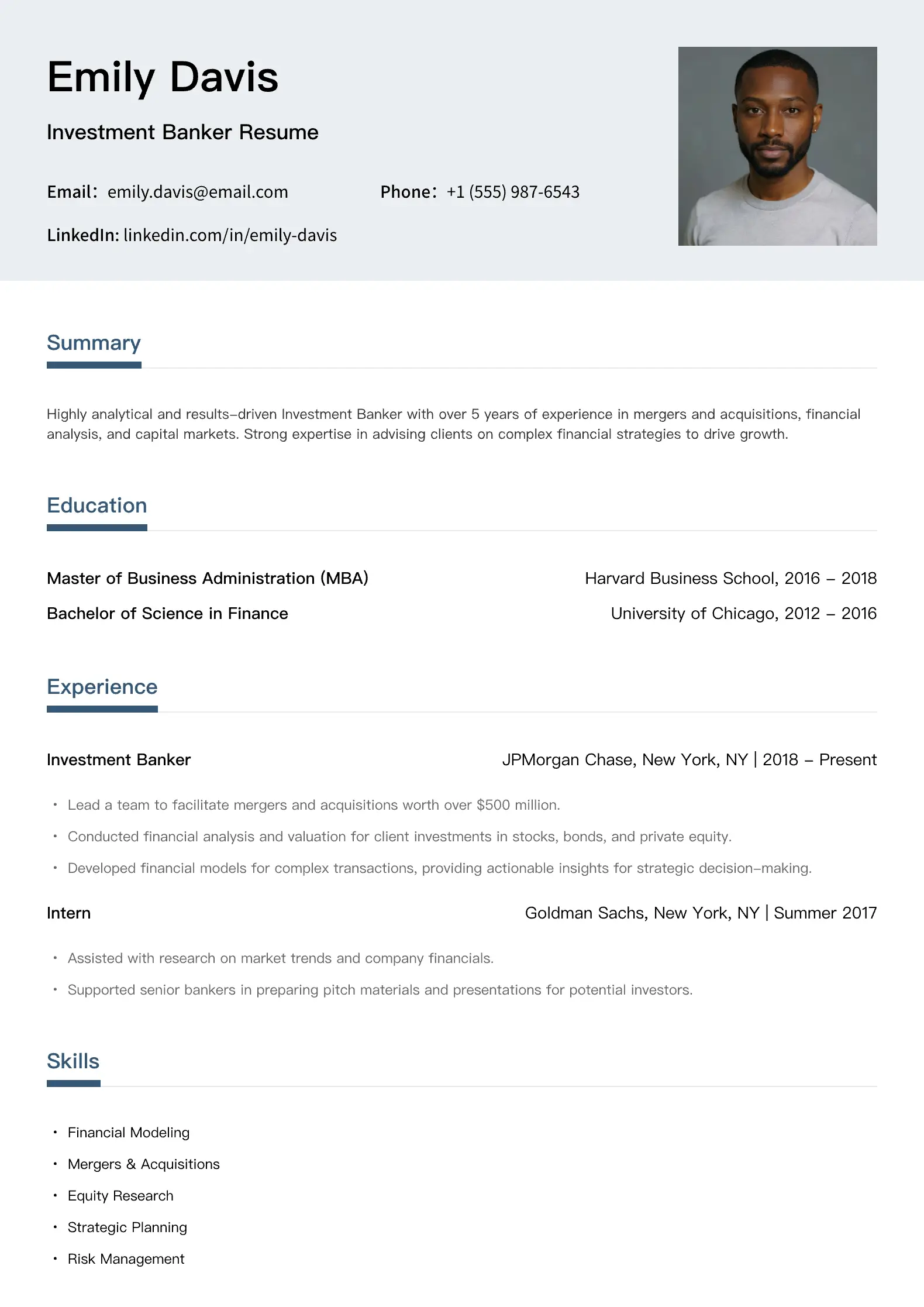





 Upgrade für maximale Vorteile
 Neues Paket:
 Abgeschlossen!
 Sie nutzen derzeit unseren Pro-Plan. Bei einem Herabstufen verlieren Sie:
 OK
OK
 Ihr Kontingent ist aufgebraucht

 Zeitlich begrenztes Angebot!