

Job hunting feels overwhelming. You polish your resume, scour job boards, and hit "apply" dozens of times. But here's something many applicants miss: the cover letter.
A strong cover letter can be the difference between landing an interview and getting rejected. It's your chance to tell your story, show your personality, and explain why you're the right fit.
This guide breaks down what is a cover letter, what to include, and how to write one that stands out. You’ll find real examples, formatting tips, and common mistakes to avoid.
What Is a Cover Letter?
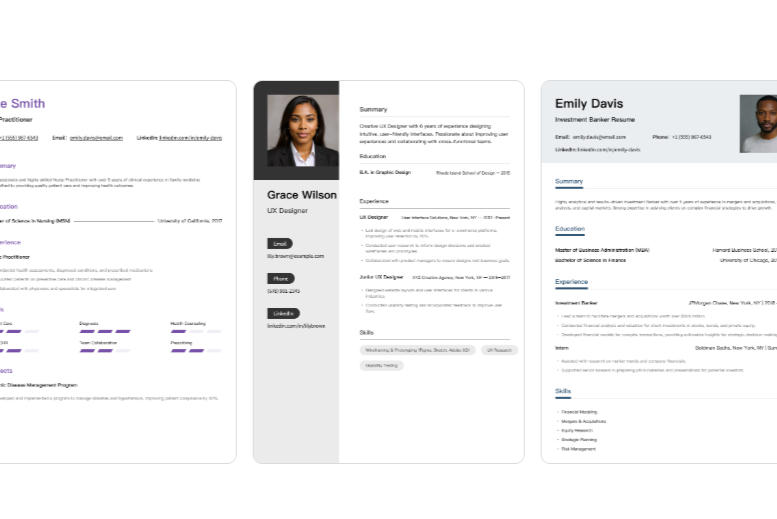
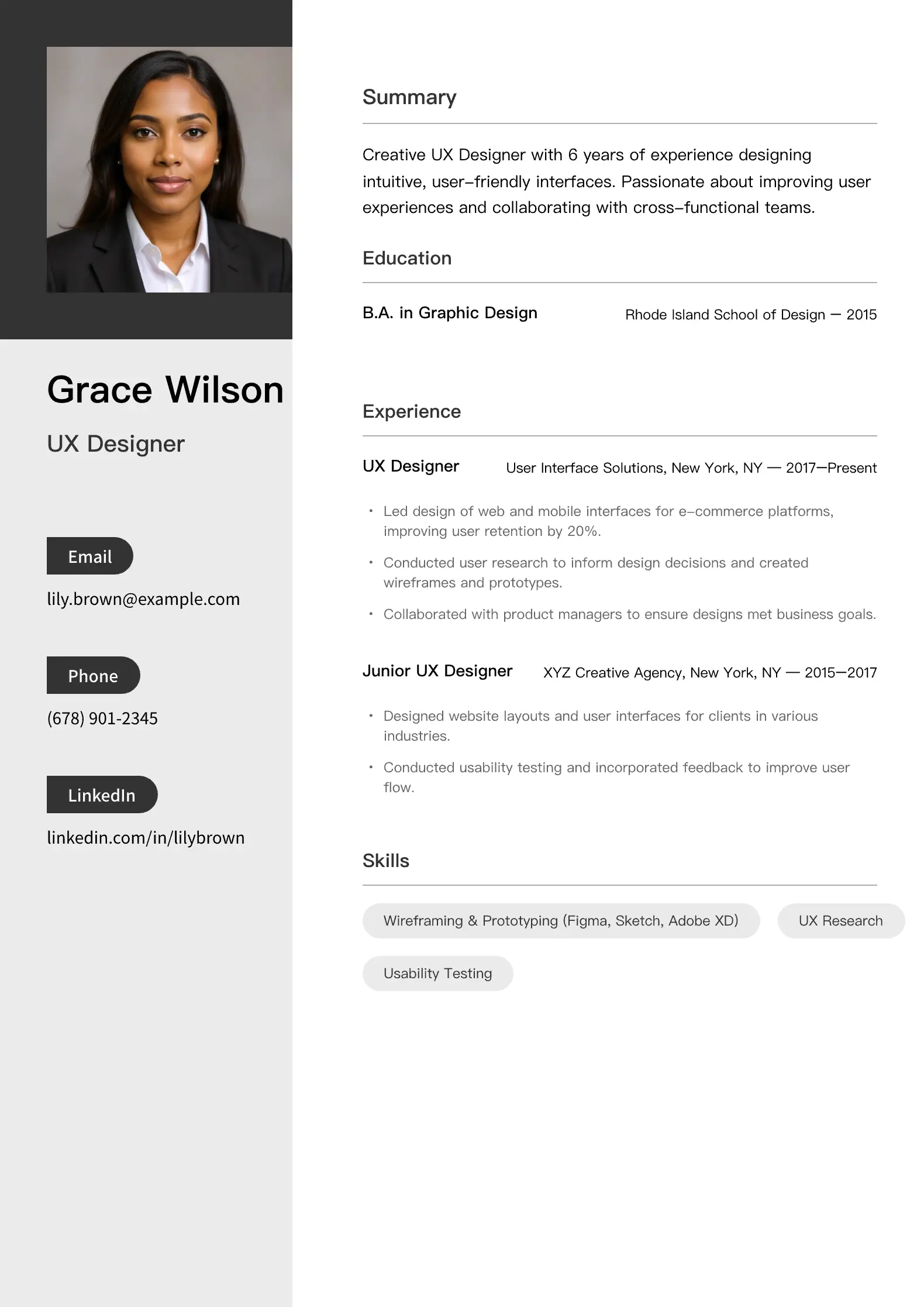
A cover letter is a one-page document submitted alongside your resume when applying for a job, like one page resume. It introduces you to the hiring manager, highlights your most relevant qualifications, and explains why you're interested in the position.
Think of it this way:
· Resume = Your work history (facts, dates, achievements)
· Cover Letter = Your story (motivation, personality, fit)
Cover letters answer questions your resume can't: - Why do you want this specific job? - How do your skills match their needs? - What makes you different from other candidates?
Not every job requires a cover letter. But when it's optional? Submitting one shows extra effort and genuine interest.
What to Include in a Cover Letter
A professional cover letter has six key sections:
1. Header and Contact Information
Place your contact details at the top: - Full name - Phone number - Email address - LinkedIn profile (optional) - City and state (full address not needed)
Below that, add the hiring manager's info: - Name (if known) - Job title - Company name - Company address
2. Salutation
Address the hiring manager directly when possible: - ✅ “Dear Mr. Johnson,” - ✅ “Dear Ms. Chen,” - ✅ “Dear Hiring Manager,” (if name unknown)
Avoid outdated greetings like "To Whom It May Concern."
3. Opening Paragraph
Hook the reader immediately. State: - The position you're applying for - Where you found the job posting - One compelling reason you're interested
Example: "As a marketing professional with 5 years of experience driving brand growth, I was excited to discover the Senior Marketing Manager opening at TechCorp. Your recent campaign on sustainable packaging aligns perfectly with my passion for purpose-driven marketing."
4. Body Paragraphs (1-2 paragraphs)
This is where you sell yourself. Focus on: - 2-3 key achievements relevant to the job - Specific skills that match the job description - How you can solve their problems
Use numbers when possible: “In my previous role, I led a team that increased social media engagement by 140% in six months.”
5. Closing Paragraph
Wrap up with: - Enthusiasm for the role - A call to action (request an interview) - Thanks for their time
Example: “I'd welcome the opportunity to discuss how my experience can contribute to your team's success. Thank you for considering my application.”
6. Sign-off
End professionally: - “Sincerely,” - “Best regards,” - “Kind regards,”
Then add your full name.
Cover Letter Format
Following the right format matters. Here's what hiring managers expect:
Standard Business Format
Your Name
Your Phone | Your Email | LinkedIn
City, State
Date
Hiring Manager Name
Job Title
Company Name
Company Address
Dear [Name],
[Opening paragraph]
[Body paragraph 1]
[Body paragraph 2]
[Closing paragraph]
Sincerely,
Your Name
Formatting Guidelines
| Element | Recommendation |
|---|---|
| Font | Arial, Calibri, or Times New Roman |
| Font Size | 10-12 point |
| Margins | 1 inch on all sides |
| Line Spacing | Single or 1.15 |
| Length | 3-4 paragraphs, max 1 page |
| Word Count | 250-400 words |
File Format
· PDF is safest (preserves formatting)
· Word (.docx) if requested
· Name it clearly: FirstName_LastName_Cover_Letter.pdf
How to Write a Cover Letter: 6 Steps
Step 1: Research the Company
Before writing, learn about: - Company mission and values - Recent news or projects - The hiring manager (LinkedIn helps)
This research lets you tailor your letter and show genuine interest.
Step 2: Choose a Format
Pick a template that matches: - The industry (creative vs. conservative) - The company culture - Your experience level
Professional templates work for most situations. Check out professional templates for inspiration.
Step 3: Write the Header
Include your contact info and the employer's details. Keep it clean and professional.
Step 4: Craft a Strong Opening
First impressions count. Avoid generic openers like: ❌ “I am writing to apply for the position posted on your website.”
Instead, try: ✅ “When I saw the Product Manager opening at InnovateCo, I knew I had to apply. Your work on AI-driven customer experiences mirrors my own passion for user-centered design.”
Step 5: Highlight Relevant Skills
Match your experience to the job description. If they want: - “Team leadership” → Share a management win - “Data analysis” → Mention specific metrics you’ve improved - “Project management” → Describe a successful project you led
For more tips on showcasing your experience, see this guide on writing resumes with no experience.
Step 6: Close with Confidence
End strong. Express enthusiasm and request next steps: “I'm excited about the possibility of joining your team and would love to discuss this opportunity further.”
Cover Letter Examples
Example 1: Entry-Level Candidate
Dear Hiring Manager,
As a recent Computer Science graduate from State University, I was thrilled to discover the Junior Developer position at TechStart. Your innovative work in mobile app development inspired my senior project, and I'm eager to contribute to your team.
During my internship at WebSolutions, I built three responsive websites using React and Node.js. One project reduced page load time by 40%, improving user retention significantly.
I'm excited to bring my technical skills and fresh perspective to TechStart. Thank you for considering my application.
Sincerely,
Alex Chen
Example 2: Experienced Professional
Dear Ms. Rodriguez,
With 7 years of experience leading cross-functional marketing teams, I was excited to find the Marketing Director opening at GrowthCo. Your recent expansion into European markets aligns with my background in international brand development.
At my current role with BrandMax, I launched campaigns across 12 countries, generating $2.3M in new revenue. My team increased brand awareness by 65% through targeted digital strategies.
I'd welcome the chance to discuss how my experience can support GrowthCo's global growth. Thank you for your time.
Best regards,
Jordan Martinez
Example 3: Career Change
Dear Hiring Manager,
After 6 years in sales, I'm pursuing a career in customer success. The Customer Success Manager role at ServicePro caught my attention because it values the relationship-building skills I've developed throughout my career.
In my sales roles, I maintained a 95% client retention rate and consistently exceeded quarterly targets. These experiences taught me how to understand customer needs and deliver solutions that drive satisfaction.
I'm eager to apply my client-focused approach to the Customer Success team. I look forward to discussing this opportunity.
Sincerely,
Taylor Johnson
Cover Letter vs Resume: Key Differences
What is Cover Letter, What is Resume? Understanding the difference helps you write both effectively:
| Aspect | Resume | Cover Letter |
|---|---|---|
| Purpose | List your qualifications | Tell your story |
| Format | Bullet points, sections | Paragraphs, letter format |
| Length | 1-2 pages | 1 page max |
| Content | Facts, dates, achievements | Motivation, personality, fit |
| Customization | Minor tweaks per job | Fully rewritten per job |
When Do You Need a Cover Letter?
Required: - Job posting explicitly asks for one - Application system has a cover letter field
Optional but Recommended: - Posting says “cover letter optional” - You're making a career change - You have employment gaps to explain - You’re genuinely excited about the role
Skip It: - Posting says “no cover letters” - Application system doesn't allow uploads - Quick-apply features (LinkedIn Easy Apply)
Common Mistakes to Avoid
1. Generic, One-Size-Fits-All Letters
Sending the same letter to 50 jobs shows zero effort. Tailor each one.
2. Repeating Your Resume
Your cover letter should complement, not duplicate, your resume.
3. Too Long or Too Short
Aim for 250-400 words. Anything longer won't get read.
4. Typos and Grammar Errors
Proofread carefully. One mistake can cost you the interview.
5. Focusing Only on Yourself
Explain what you can do for them, not just what you want.
6. Weak Closing
Don't end with“I look forward to hearing from you.” Be proactive.
FAQ
Should I always include a cover letter?
If it's required, yes. If optional, strongly consider it — especially for competitive roles. It shows extra effort.
How long should a cover letter be?
Keep it to one page, 250-400 words. Hiring managers skim — respect their time.
Can I use the same cover letter for multiple jobs?
No. Each letter should be tailored to the specific company and role. Generic letters get spotted instantly.
What if the job posting says cover letter is optional?
Submit one anyway. It's a chance to stand out from candidates who skip it.
Do cover letters matter in 2026?
Yes. While some industries care less, many hiring managers still read them. When in doubt, include one.
For more career advice, explore the MakeTheResume blog.
Conclusion
A cover letter is your opportunity to go beyond the facts on your resume. It's where you explain your motivation, showcase your personality, and make a human connection with the hiring manager.
Key takeaways: - A cover letter introduces you and explains why you're the right fit - Include six sections: header, salutation, opening, body, closing, sign-off - Keep it to one page (250-400 words) - Tailor each letter to the specific job and company - Proofread carefully before submitting
Ready to create your professional cover letter? Start building at MakeTheResume — where AI-powered tools help you craft compelling applications in minutes.












 Passez à la version supérieure pour plus d’avantages
 Nouvelle formule :
 Terminé !
 Vous êtes actuellement sur notre formule Pro. En cas de passage à la version inférieure, vous perdrez :
 OK
OK
 Votre quota est épuisé

 Offre limitée dans le temps !